
IDEA Factory
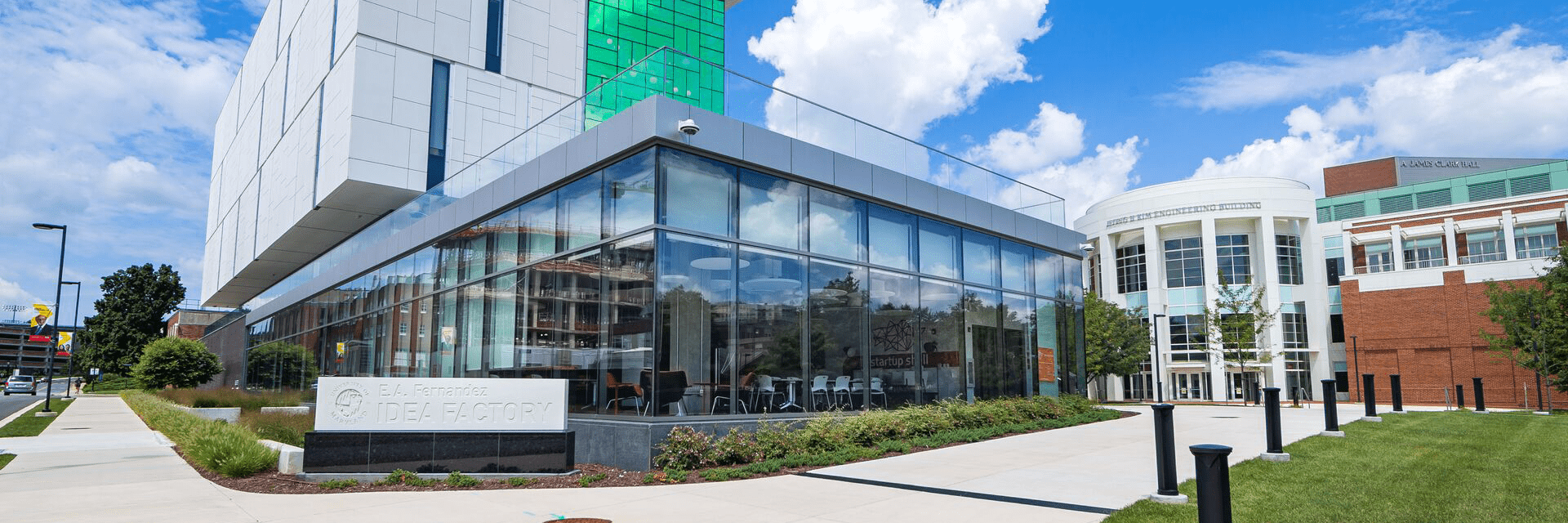
The E.A. Fernandez IDEA (Innovate, Design and Engineer for America) Factory is the hub of the Alfred Gessow Rotorcraft Center, bringing together key experimental facilities, computational research, and graduate student workspaces under one roof.
The 60,000-square-foot building houses the Lockheed Martin Rotorcraft Labs, where specialized facilities support research in autonomous flight, tiltrotor dynamics, advanced rotor design, computational aeromechanics, and flight in extreme environments.
Research Spotlights
The First Piloted Hydrogen Helicopter
Students in the IDEA Factory are performing hydrogen helicopter research on advancements in hydrogen helicopter flight for critical organ delivery. Adjacent to the IDEA Factory is the Electric Aviation Laboratory in the Kim Engineering Building.
The Rothblatt grant from Unither Bioelectronics, a subsidiary of United Therapeutic Corporation, funds research to support the development of a certifiable, zero-emissions, hydrogen powered fuel cell helicopter, with a range of 200 nautical miles carrying critical life-saving organs, medical equipment, and personnel, up to two passengers including a pilot.
This AGRC-Unither collaborative program allows academic research to be scaled up and implemented on Unither’s full-scale aircraft and flight test data from the full-scale aircraft to revise, refine, and re-direct academic research.
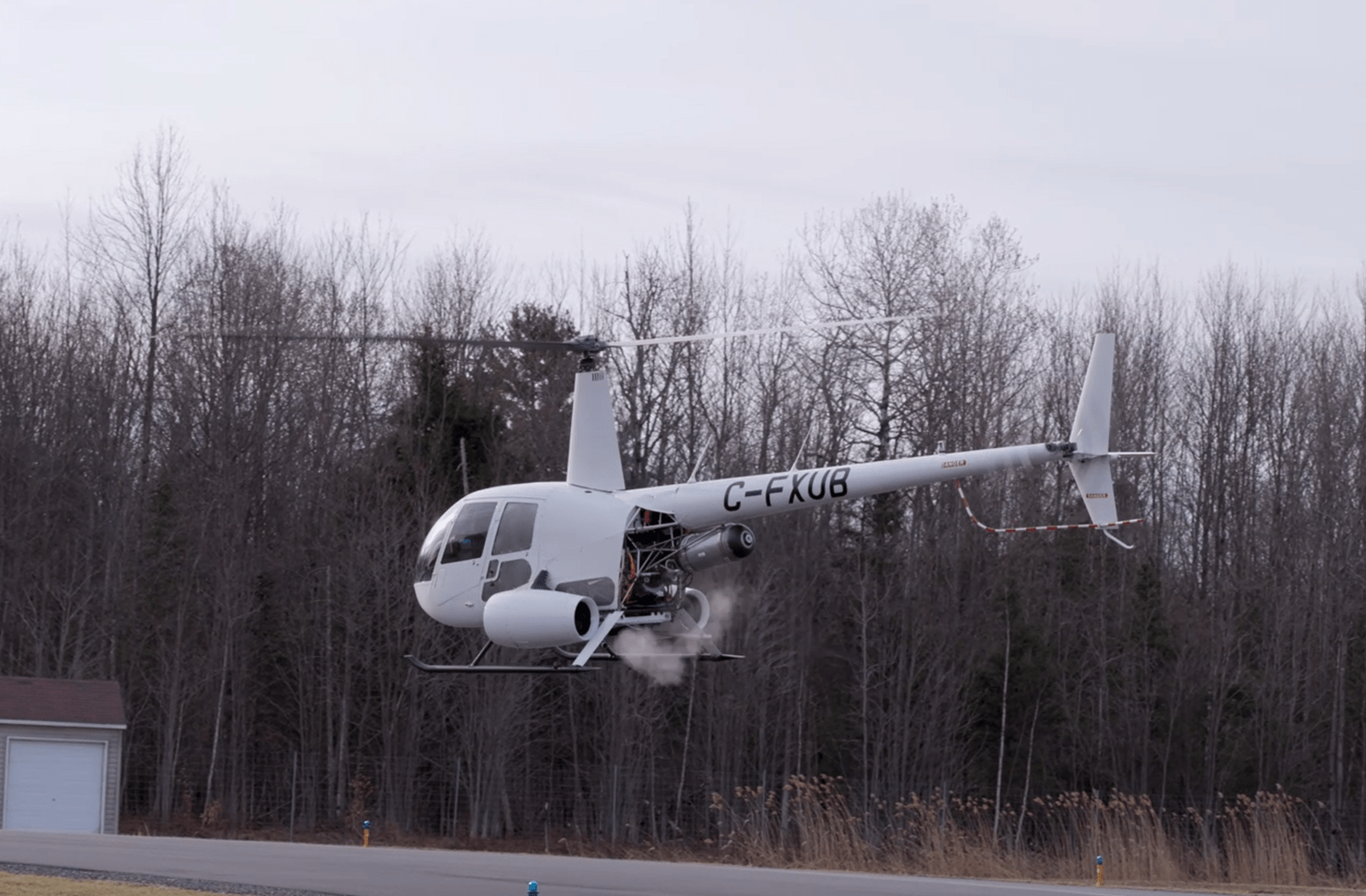
On March 27, 2025, at Roland-Désourdy Airport in Bromont, Québec, Canada, Unither pilot Ric Webb lifted a proton exchange membrane fuel cell powered helicopter—supplied with hydrogen from a 700-bar gaseous tank—into its maiden test flight lasting three minutes and 16 seconds. This was the first piloted Hydrogen Helicopter.
Learn More About This Flight & Related Research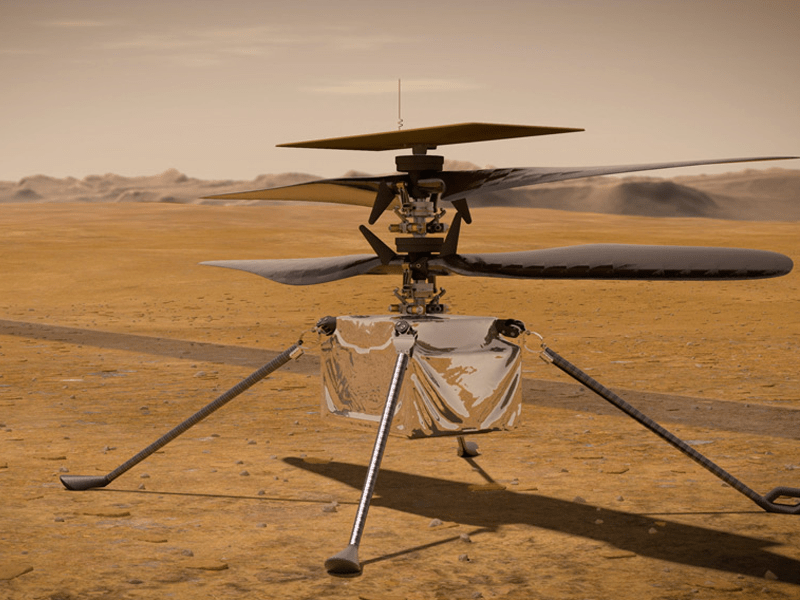
Flying in Extreme Environments
Military helicopters must land on ships moving through massive ocean waves, while Mars helicopters must navigate the ultra-thin atmosphere (1% air density of Earth) and gravitational environment. Tackling these extreme flight conditions requires advanced technologies—and engineers with the skills to design, build, and test them.
At the IDEA Factory, AGRC students and faculty use rotor rigs, motion platforms, a UAS systems flight facility, and computational fluid dynamics with high-performance computing, including AI/ML and quantum technologies, to investigate these challenges.
Graduate students are designing and fabricating ultra-thin rotor blades for the low-density Martian atmosphere, developing autonomous systems for landing aircraft on moving ship decks, and conducting experimental and computational research to advance the next generation of rotorcraft.
Learn More About UMD's Mars Helicopter ResearchExplore our Facilities
Maryland Tiltrotor Rig
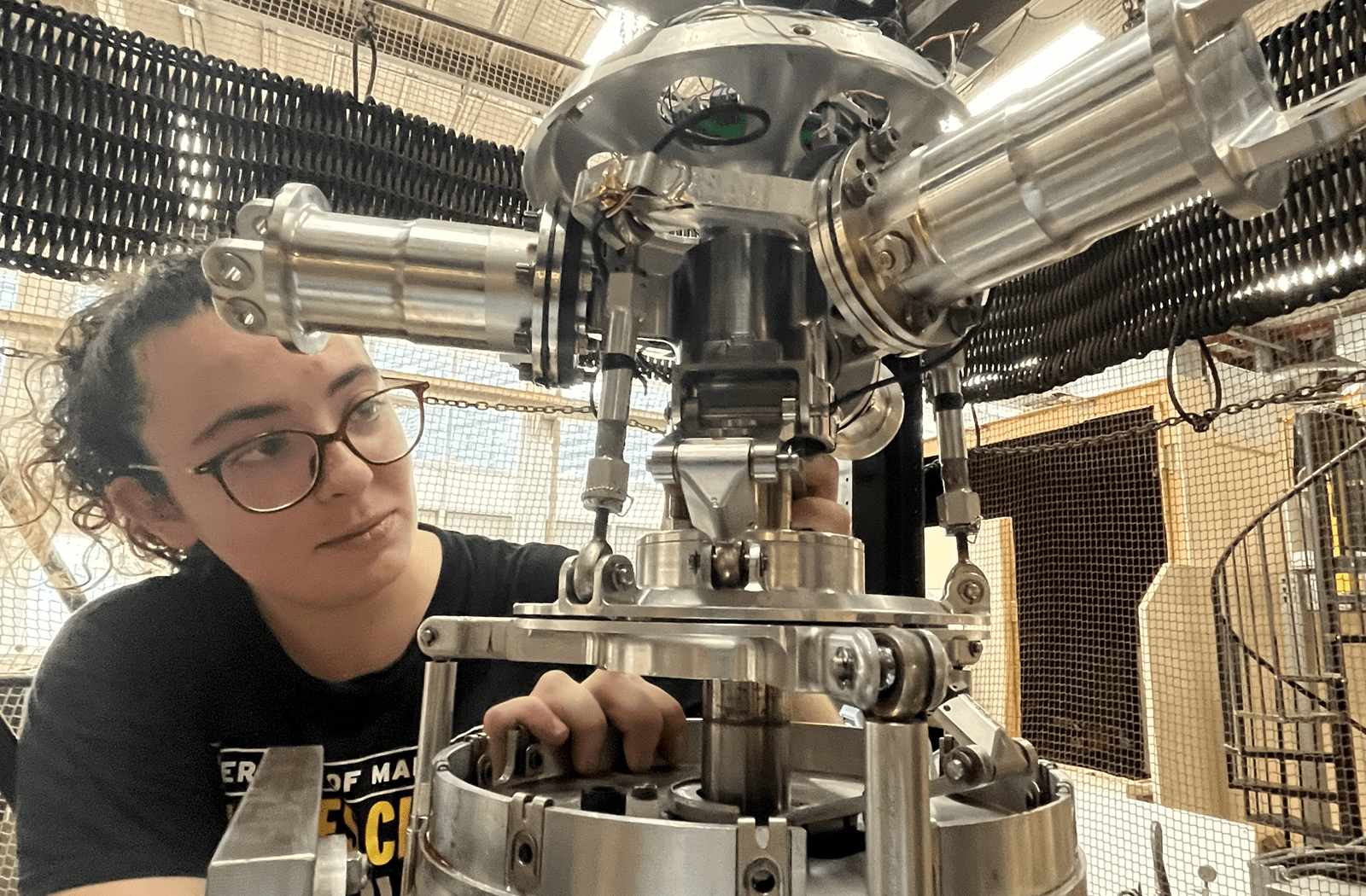
The Maryland Tiltrotor Rig is a 3-bladed tiltrotor rig with gimballed and hingeless hubs supporting up to 5-ft. diameter rotors for vibratory loads and whirl flutter.
Learn more about the Maryland Tilt Rotor Rig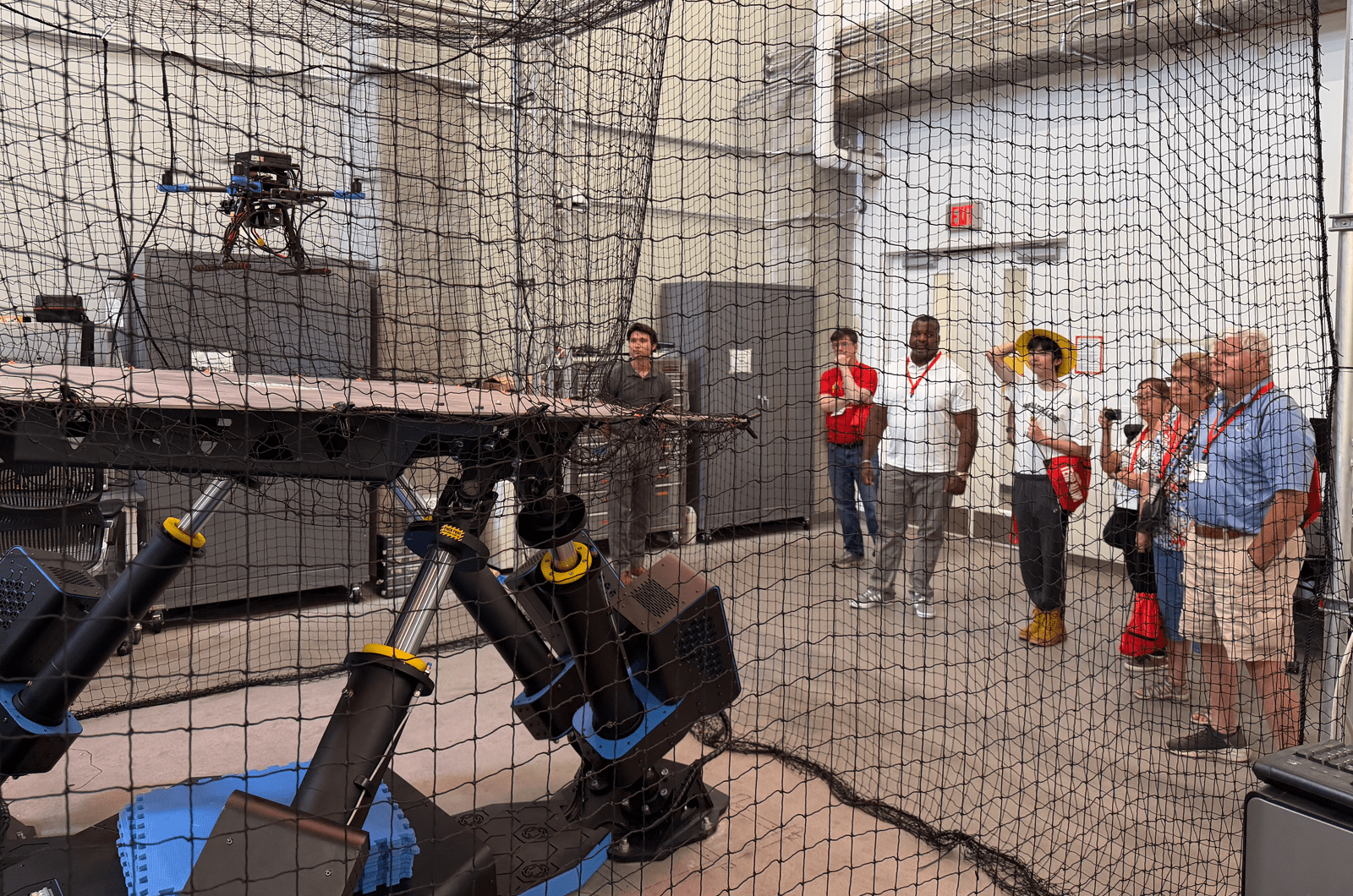
Ship-Deck Landing Facility
Maryland’s Ship-Deck Platform Facility supports the development and testing of autonomous aircraft landing systems by simulating complex ship and vehicle motions under challenging operating conditions.
Learn more about the Ship-Deck Landing Facility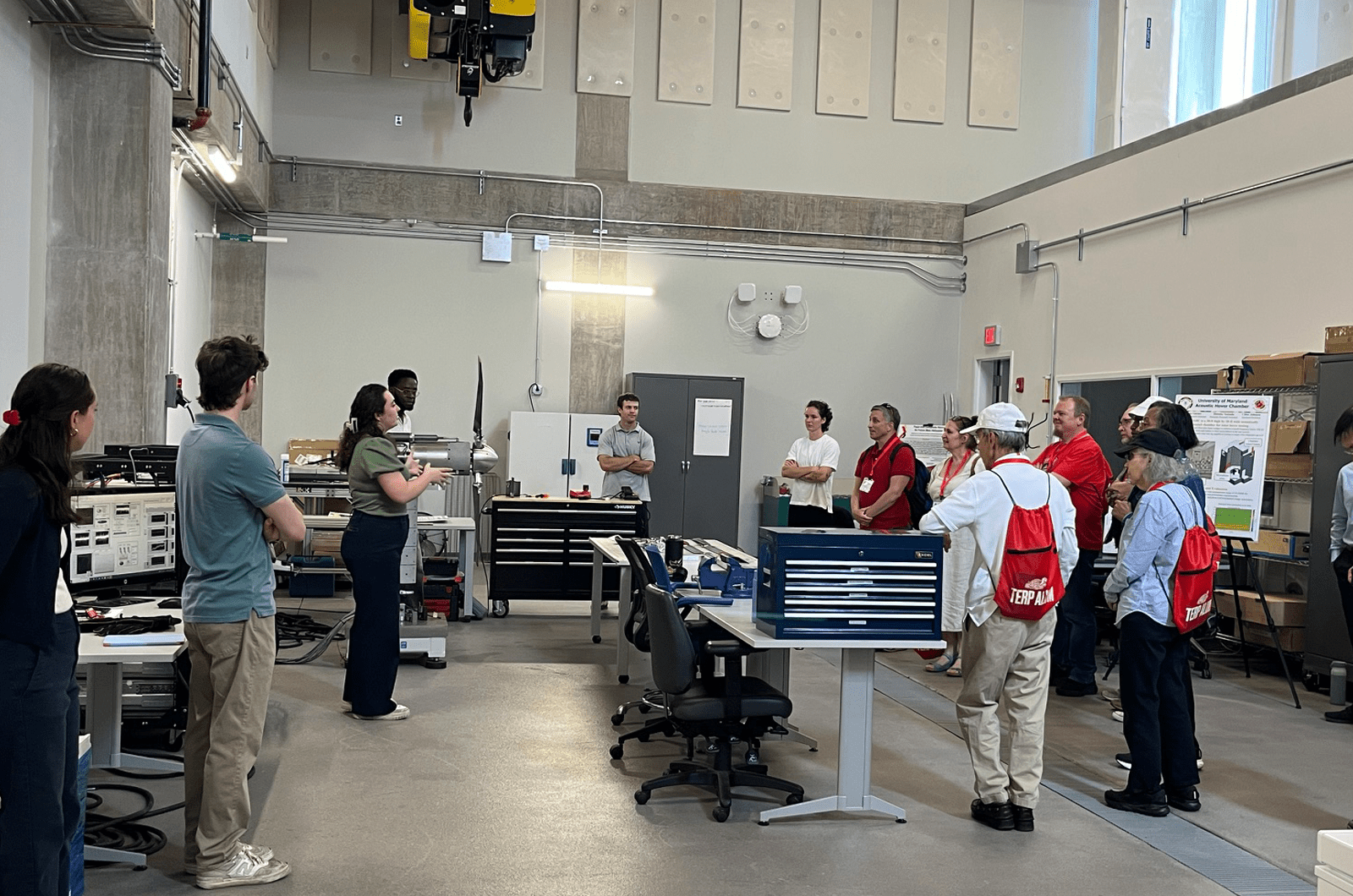
Composite Blade Fabrication Facility
The Composite Blade Fabrication Facility supports the in-house design, fabrication, instrumentation, and testing of specialized helicopter, tiltrotor, and Mars rotor blades for a range of research applications.
Learn more about the Composite Blade Fabrication Facility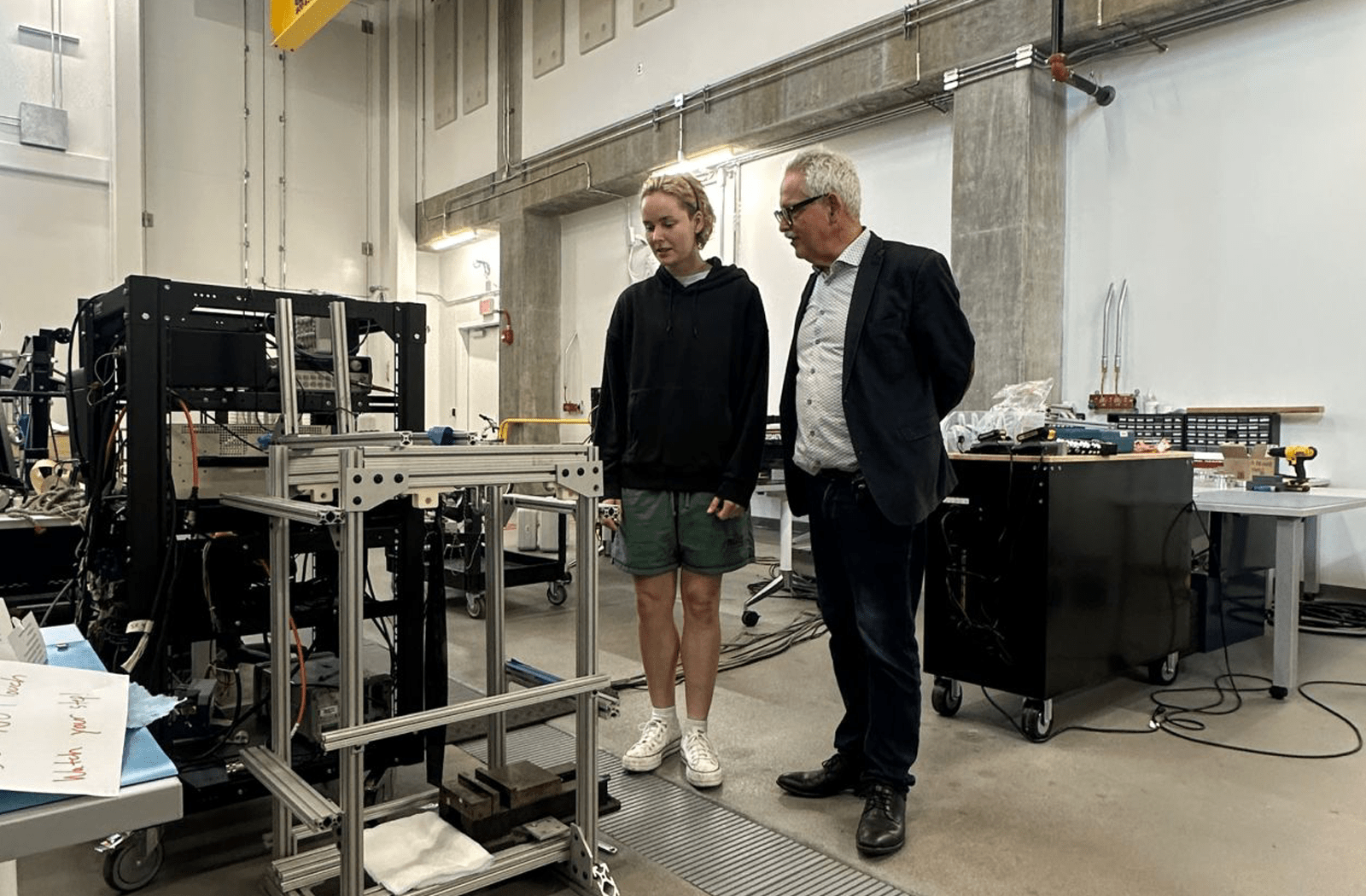
Mars Rotor Facility
Part of the Composite Blade Fabrication Facility, the Mars Rotor Facility provides the high-precision equipment needed to design and fabricate ultra-thin rotor blades for flight in the challenging Martian atmosphere.
From Lacrosse to Mars Research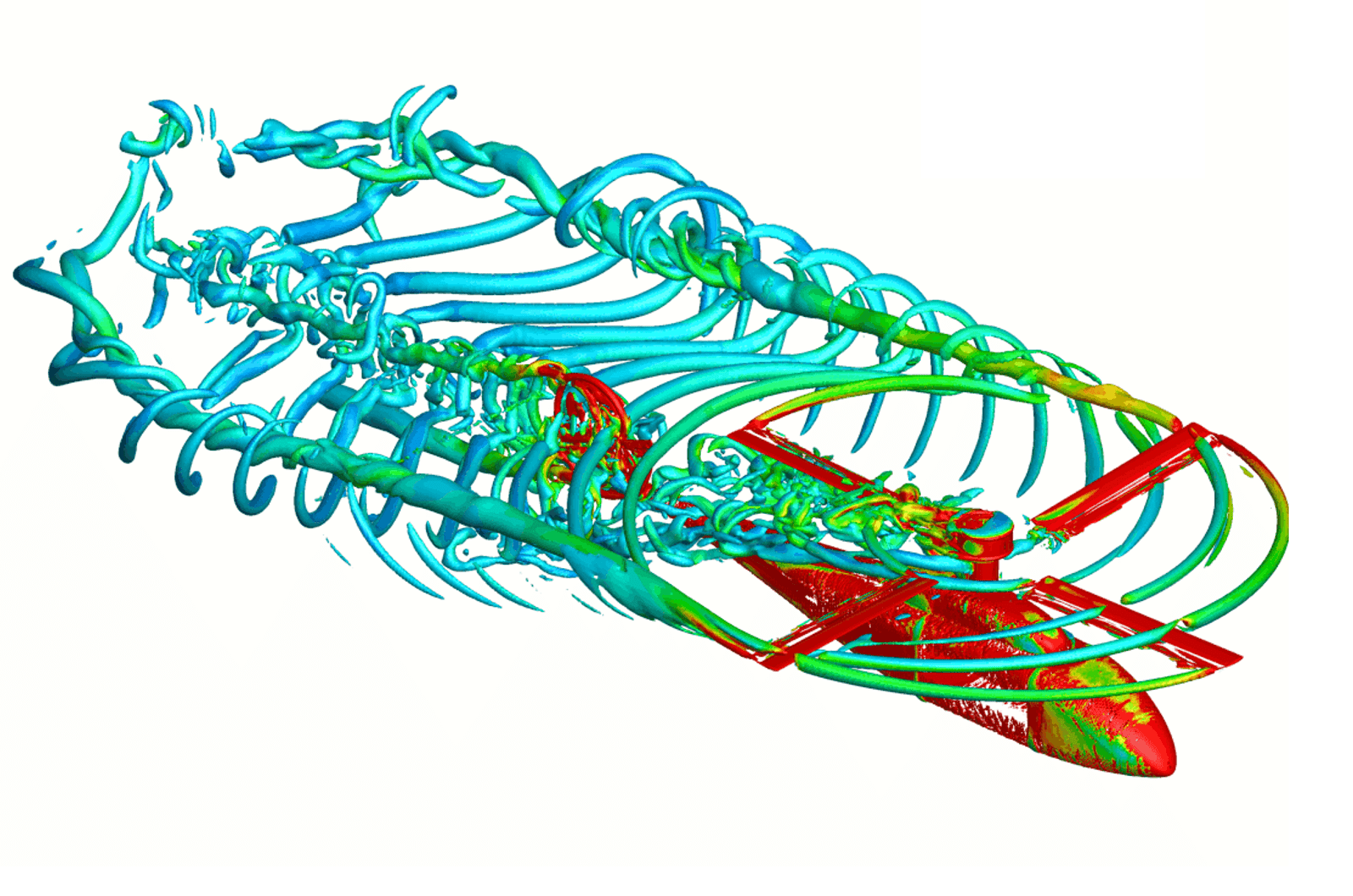
Computational Aeromechanics Laboratory
The Computational Aeromechanics Lab supports research in Computational Fluid Dynamics, Computational Structural Dynamics, lower-order Comprehensive Analysis, and coupling of fluids and structures to inquire about special problems of rotary-wing flows and structural motions.
Learn more about our Computational Aeromechanics Research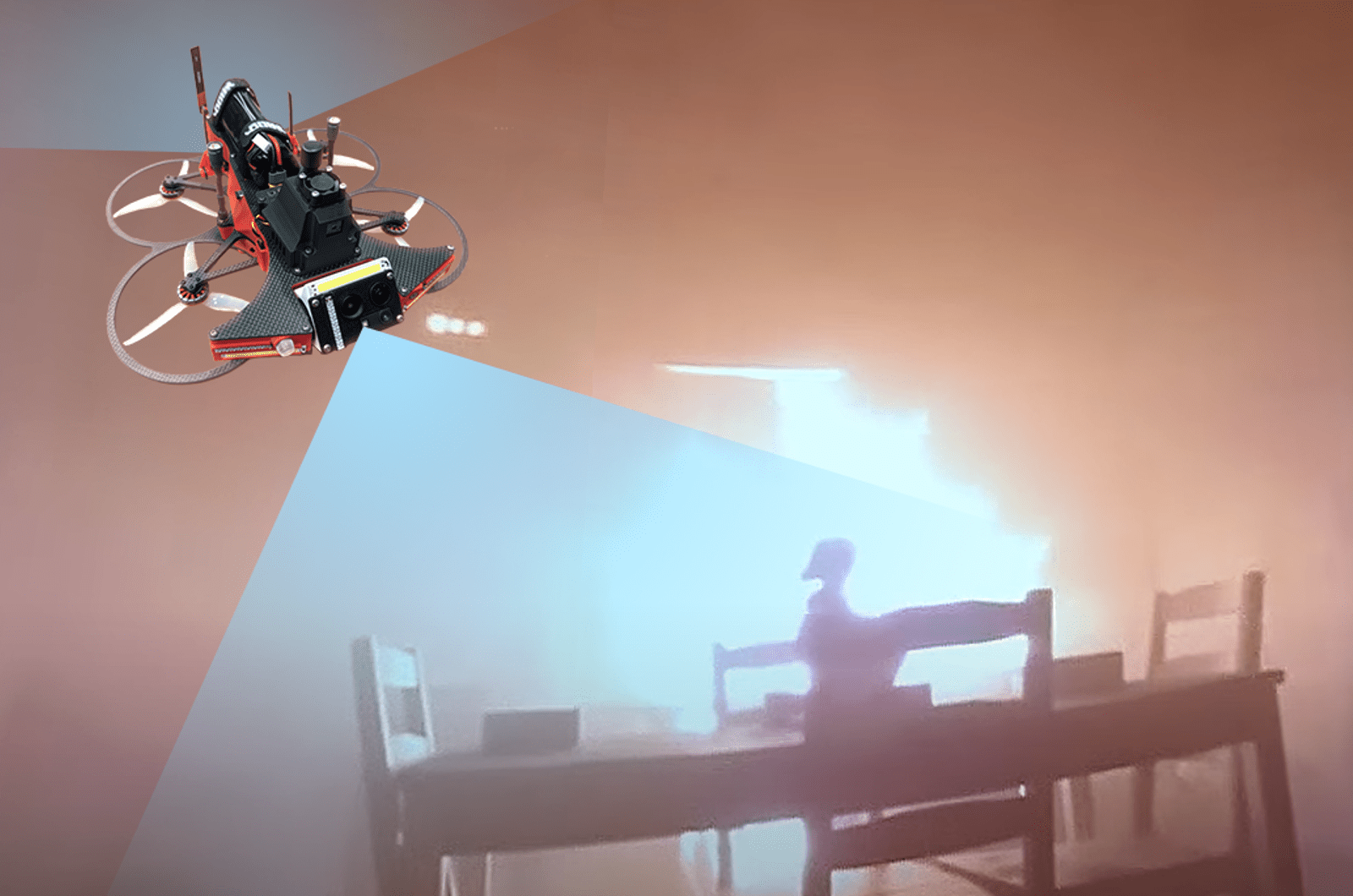
Explore More AGRC Research
Aeroacoustics eVTOL Experimental Aeromechanics UAS/Counter-UAS and Autonomy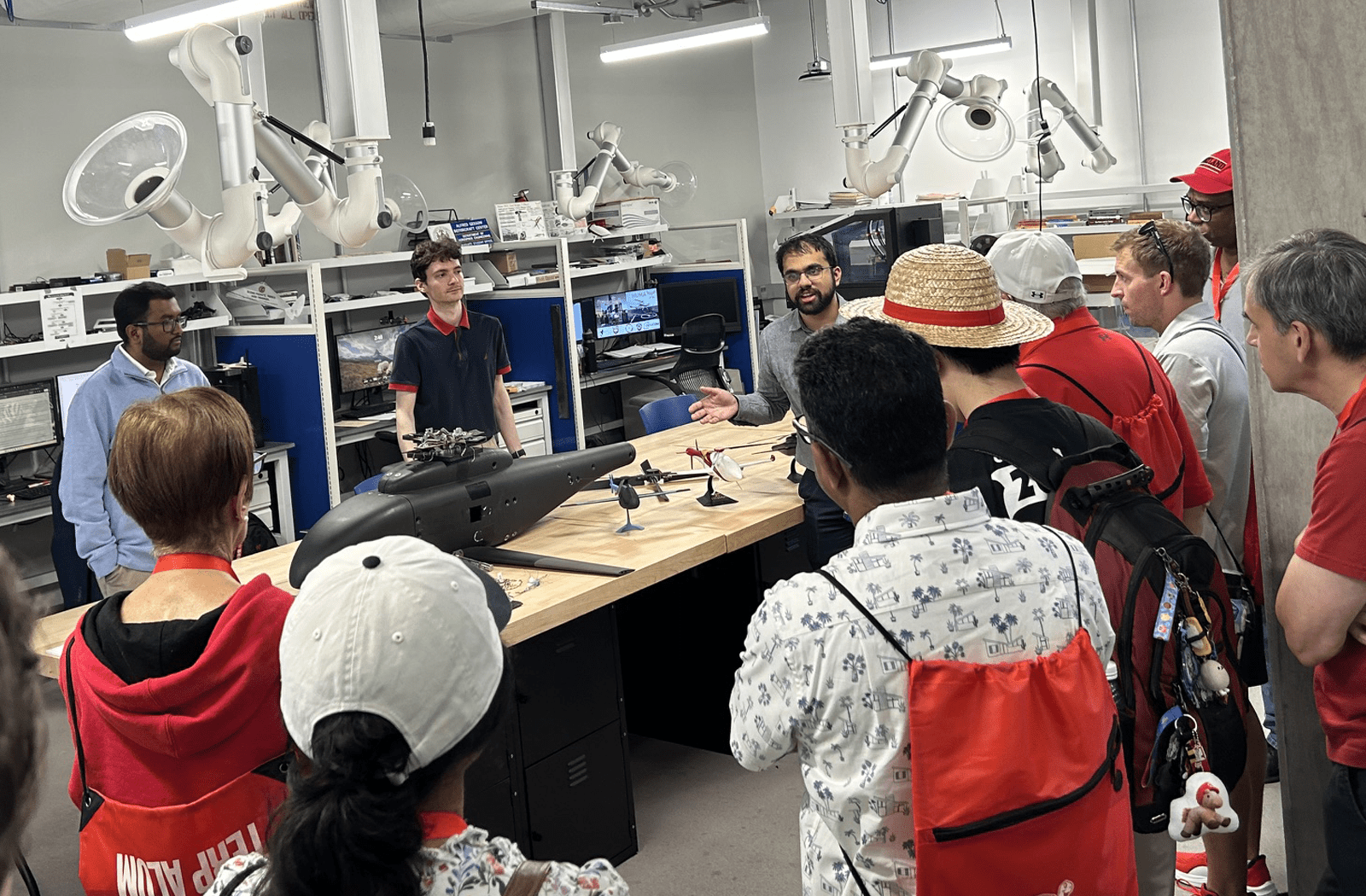
Outreach
The IDEA Factory provides opportunities for AGRC to open its labs to alumni, industry partners, and other visitors, offering a firsthand look at the facilities, technologies, and student and faculty research advancing the future of rotorcraft.
Left: University of Maryland alumni tour AGRC's IDEA Factory Labs during the UMD Alumni Association's 2026 Terp Academy event.